
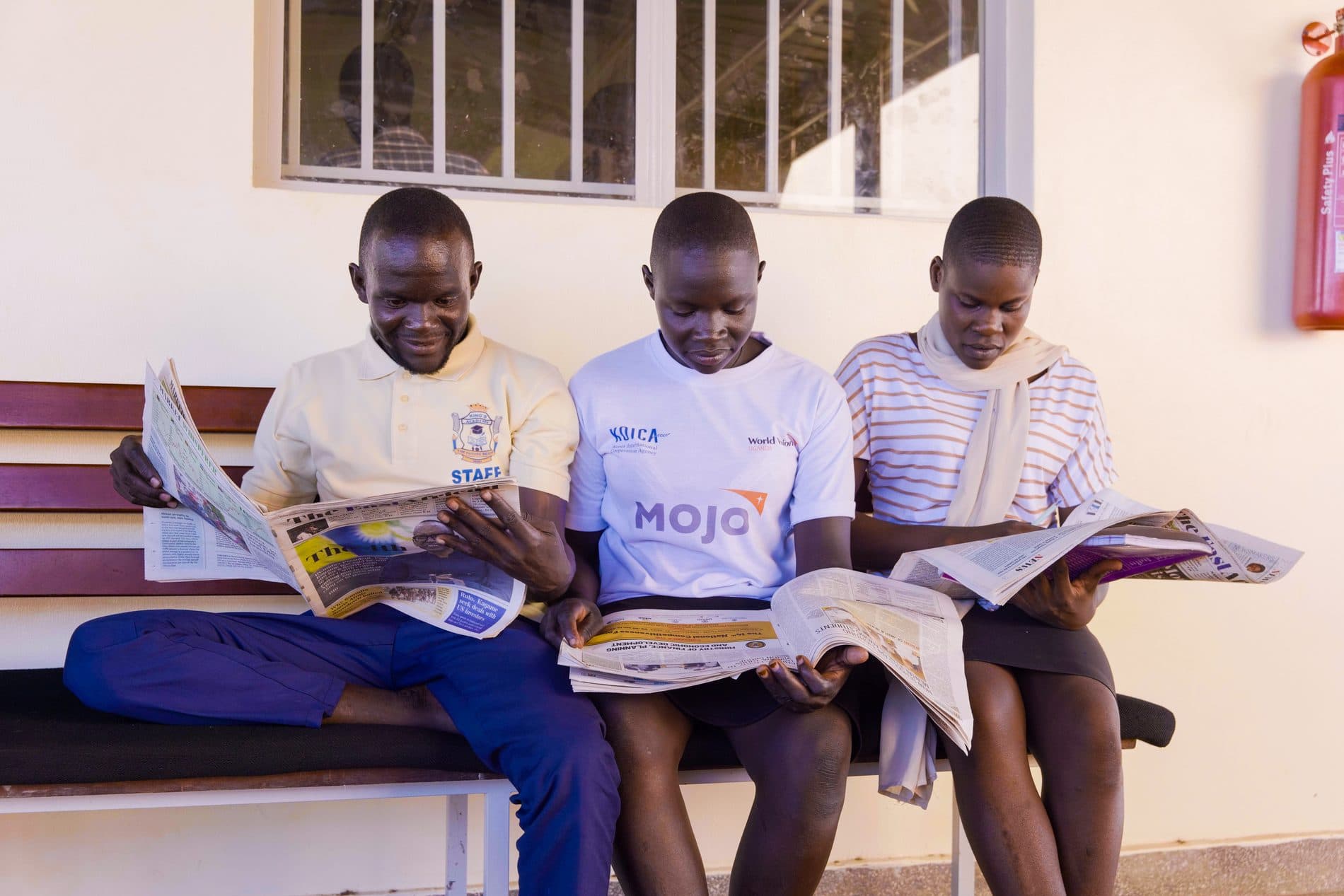
A library day in Tank 65
Children arrive for books, drawing, literacy support, and the quiet confidence that comes from having a safe place to learn.
Read the storyRelief • Livelihood • Dignity
Food, non-food assistance, and livelihood support for extremely vulnerable families, widows, and single mothers.
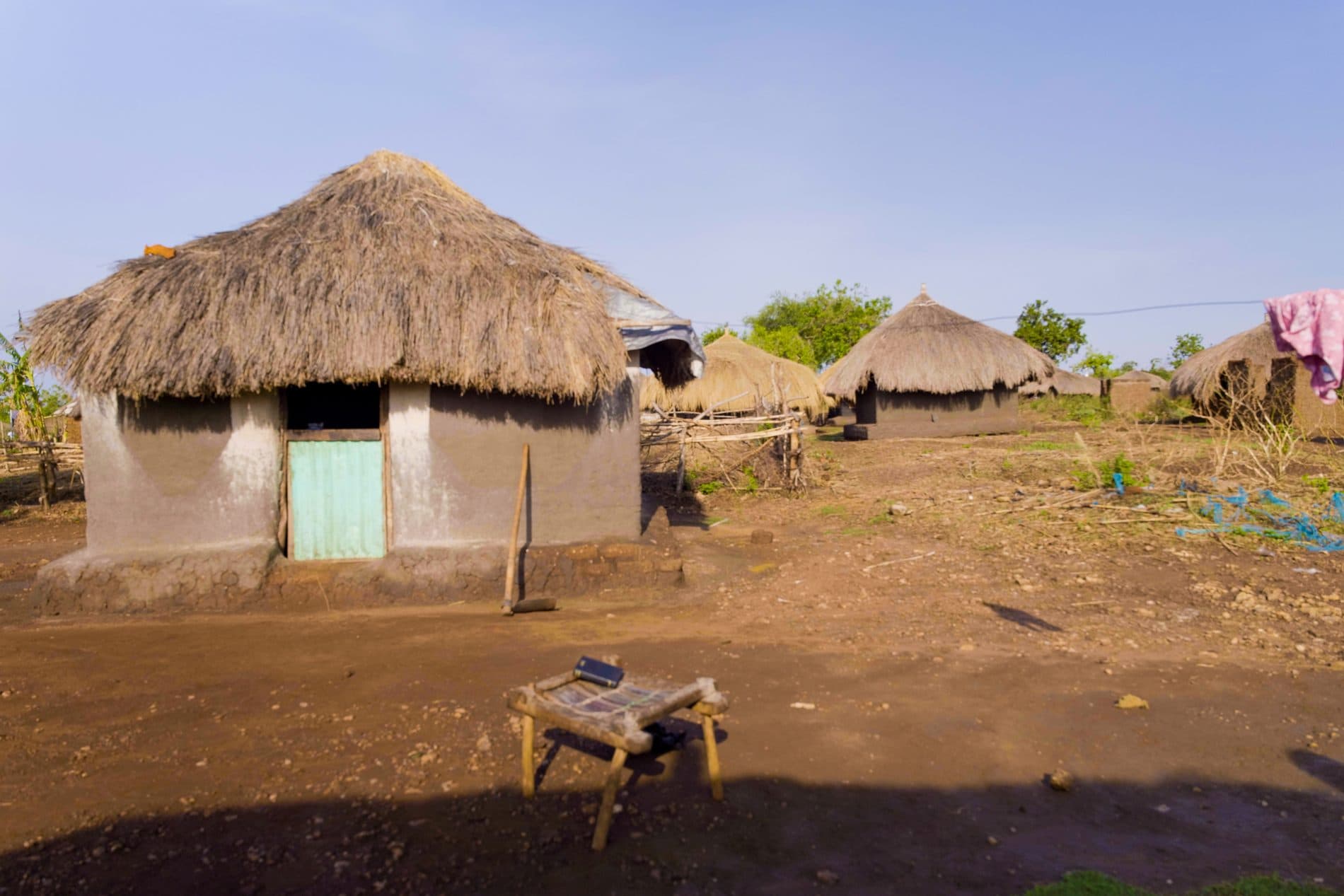
FocusHousehold support · Food assistance · Goat livelihood · Dignity
Reported impact90 refugee widows and single mothers supported with female goats.
Many refugee and host-community families face food insecurity, poverty, and limited livelihood options.
Relief and livelihood support helps meet immediate needs while creating pathways toward household resilience.
Extremely poor refugee and host-community families, including widows and single mothers.
Livelihood support is intended to move beyond one-time relief by helping families develop assets and practical resources for daily survival.
CONNECTED STORIES
Children arrive for books, drawing, literacy support, and the quiet confidence that comes from having a safe place to learn.
Read the story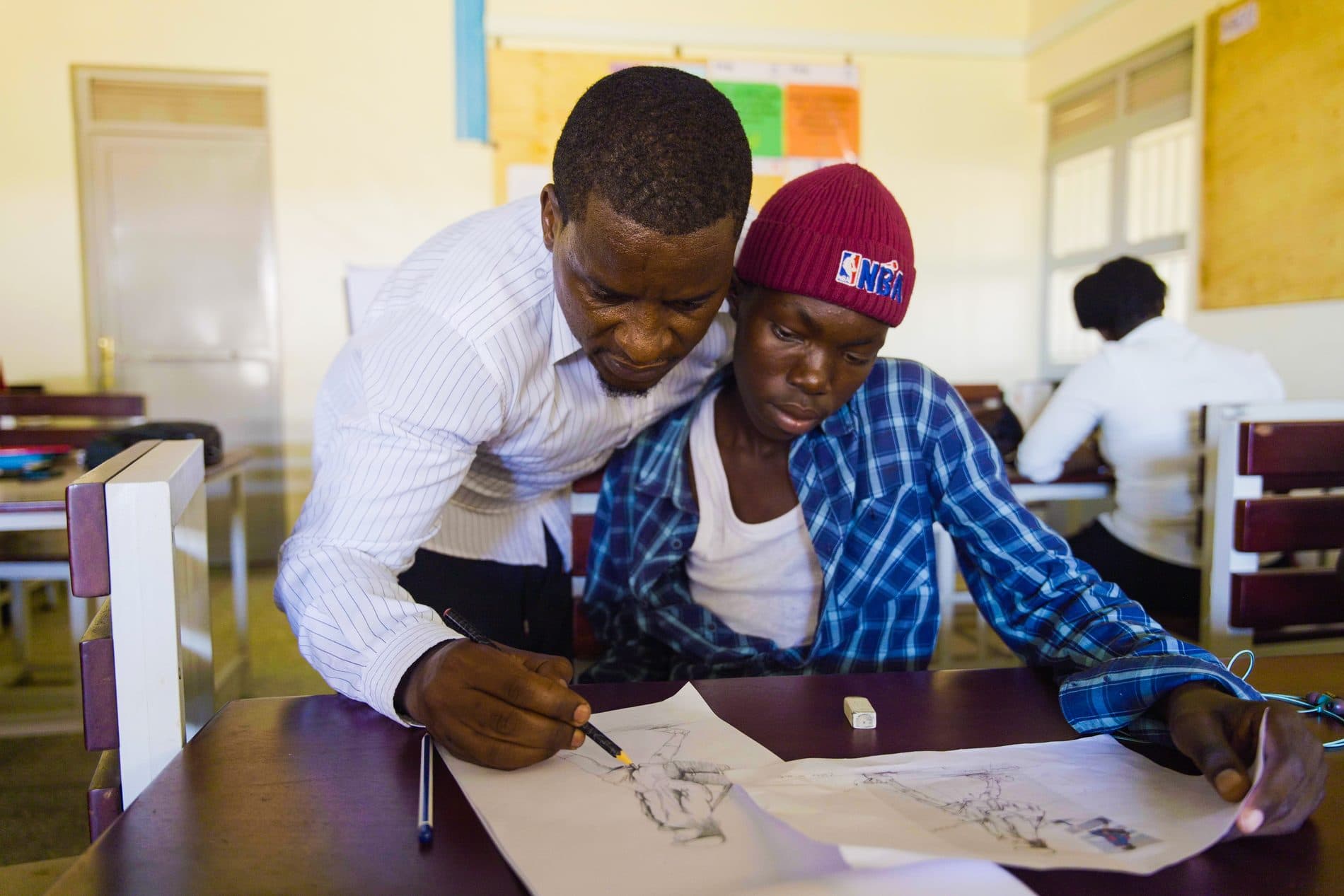
Education support combines fees, scholastic materials, mentorship, and discipleship so vulnerable learners can stay on course.
Read the story